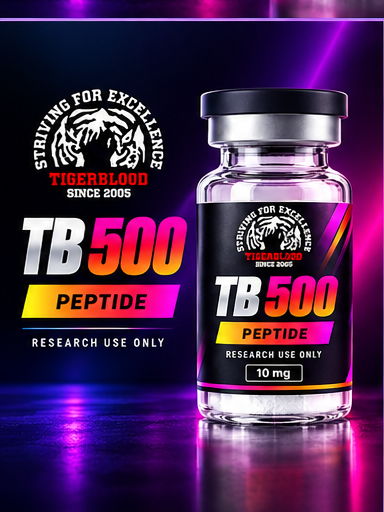
TB-500
A synthetic fragment of Thymosin Beta-4, studied in animal models of tissue repair.
Research Use Only — Not for Human ConsumptionShort Description
TB-500 is a synthetic peptide based on a region of Thymosin Beta-4, a naturally occurring protein involved in cell migration and tissue repair. It has been studied largely in laboratory and animal research related to wound healing, muscle and tendon recovery, and inflammation.
Current Legal Status (Mauritius)
TB-500 was one of several peptides formally reviewed by FDA's Pharmacy Compounding Advisory Committee (PCAC) in July 2026, after being removed from the agency's restricted "Category 2" compounding list in April 2026. The committee voted to recommend TB-500 for a possible compounding pathway under Section 503A — a non-binding recommendation, not FDA approval. Formal rulemaking was still in progress as this page was last updated, and even a finalized pathway would only apply to licensed compounding pharmacies dispensing under a physician's prescription, not direct-to-consumer retail sale.
Tiger Blood Pharmaceuticals is pursuing product registration in the Republic of Mauritius, where pharmaceutical products are regulated by the Pharmacy Board, operating under the Ministry of Health and Wellness pursuant to the Pharmacy Act 1983. TB-500 is not currently registered as a pharmaceutical product in Mauritius, and our registration application has not yet been completed. Until registration is granted, TB-500 is supplied strictly for laboratory research use and is not sold, marketed or labeled as a medicine, supplement or treatment for any condition in any jurisdiction.
Tiger Blood Pharmaceuticals does not hold regulatory approval for TB-500 in the United States, the European Union, the United Kingdom, or any other jurisdiction. Because this website is publicly accessible, customers are responsible for confirming that the purchase, import and use of this product is lawful where they live before placing an order.
This page will be updated once our Mauritius registration status changes.
Research Evidence
Most published research on TB-500 comes from laboratory and animal studies of tissue repair and wound healing. Human clinical data is very limited, and no large-scale, peer-reviewed clinical trial has established that TB-500 is safe or effective in humans for any condition.